
Signs a Parent Shouldn't Ignore (And How a Private At-Home Test Helps Start the Conversation)
Adolescence is supposed to be moody, private, and a little unpredictable. That makes it genuinely hard for parents to tell the difference between normal growing up and something that needs attention. No single sign proves anything — but certain patterns, especially sudden or clustered changes, are worth taking seriously.
Changes that deserve a closer look
Think in terms of shifts from your child's normal baseline, not isolated bad days:
- Behavioral: a sudden new friend group, secrecy about where they go and with whom, dropping activities they used to love, or a marked decline in grades.
- Physical: bloodshot eyes, unusual fatigue or restlessness, changes in appetite or sleep, or a persistent lack of care about appearance.
- Emotional: mood swings beyond the usual, new irritability or defensiveness, withdrawal from family, or signs of anxiety and low mood.
- Household clues: missing money or alcohol, unfamiliar items or smells, or unexplained need for privacy around belongings.
Many of these overlap with ordinary teenage development — and with mental-health struggles that have nothing to do with substances. That is exactly why the goal is to open a conversation, not to jump to conclusions.
Why the conversation is so hard to start
Parents often hesitate because they are afraid of being wrong, of overreacting, or of pushing their teen further away. So the worry sits unspoken, and nothing changes. A calm, structured tool can break that stalemate — giving you a concrete, non-accusatory way to raise the subject.
How a private at-home test opens the door
A private at-home test can lower the temperature of a hard conversation in a few ways:
- It reframes the moment from suspicion ("I think you're using") to routine care ("this is something we're doing to stay honest and safe").
- A negative result can bring genuine relief and redirect your attention to whatever else might be going on — stress, sleep, or mental health.
- A confirmed positive turns a vague fear into a specific, actionable starting point for support.
The test is not the conversation — it is the thing that makes the conversation possible. Approach it with the same calm you would want if the roles were reversed.
It also gives you a concrete, less personal reason to check in. Instead of "I've been going through your room," the framing becomes "this is something we do as a family." That small shift moves the exchange away from accusation and surveillance and toward shared responsibility — which is exactly the tone that keeps a worried teen talking rather than shutting the door.
Do it with care, not as a trap
Wherever safe to do so, be transparent about testing rather than springing it as a gotcha. Explain your reasons, listen more than you talk, and keep your promised response measured regardless of the result. If a home screen comes back positive, remember it is presumptive — laboratory confirmation matters before you act, because false positives happen with instant tests.
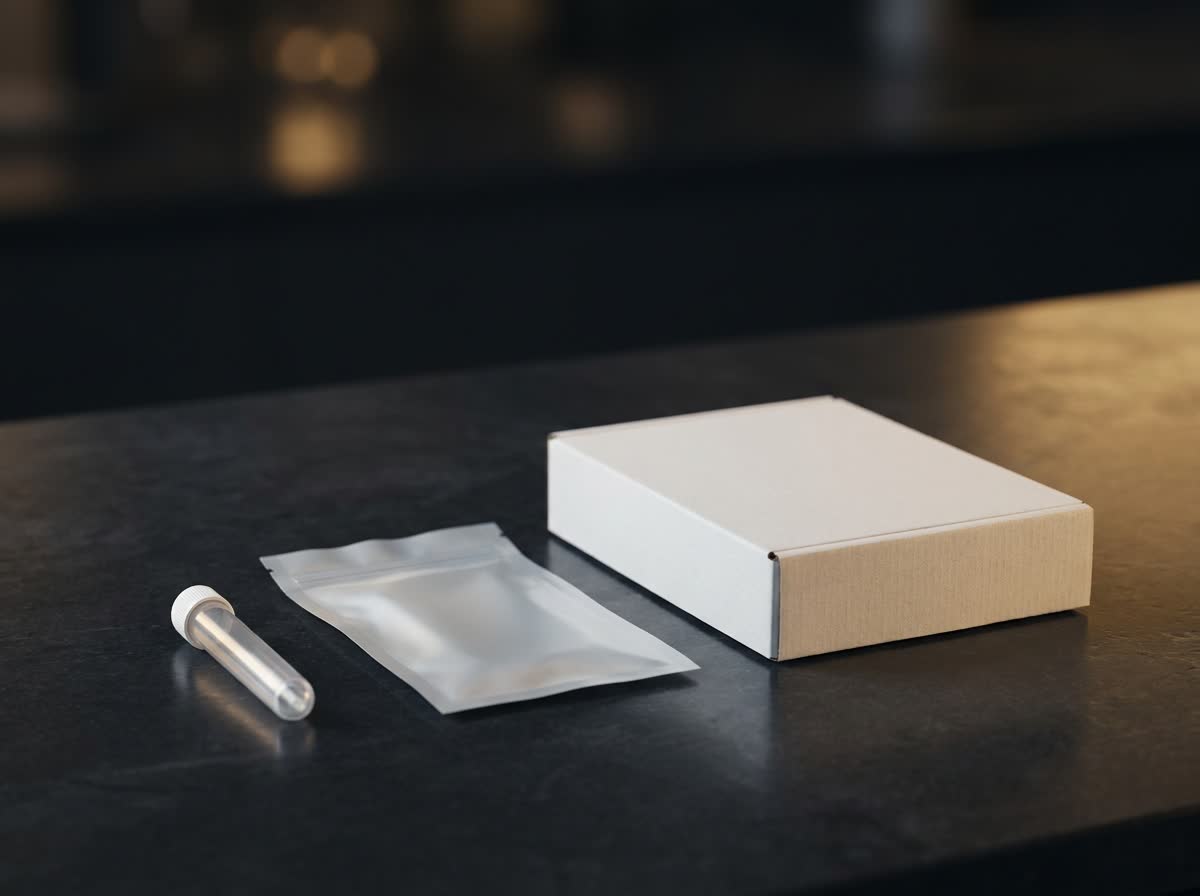
LabX Diagnostic Systems offers discreet, lab-confirmed at-home kits designed for exactly this situation. You can learn how the at-home test works, order a kit privately, and review results securely in your account before deciding on next steps.
When to bring in help
Trust your instincts. If the signs are stacking up, if safety is a concern, or if you simply feel out of your depth, involve your pediatrician or a counselor. A test result — negative or positive — is useful information to bring to that professional, not a replacement for their guidance.
The takeaway
Watch for patterns, not single moments, and do not let fear of the conversation keep you silent. A private, lab-confirmed at-home test gives you a calm, respectful way to start talking and to get real answers. If your instincts are telling you something, order a discreet at-home kit from LabX and open the door with confidence.
Talk to a licensed physician. Information on this page is general education, not medical advice or a diagnosis. Review any test result and any symptoms with a licensed physician, and seek emergency care if needed. See our medical disclaimer.