
Chain of Custody in Drug Testing Explained
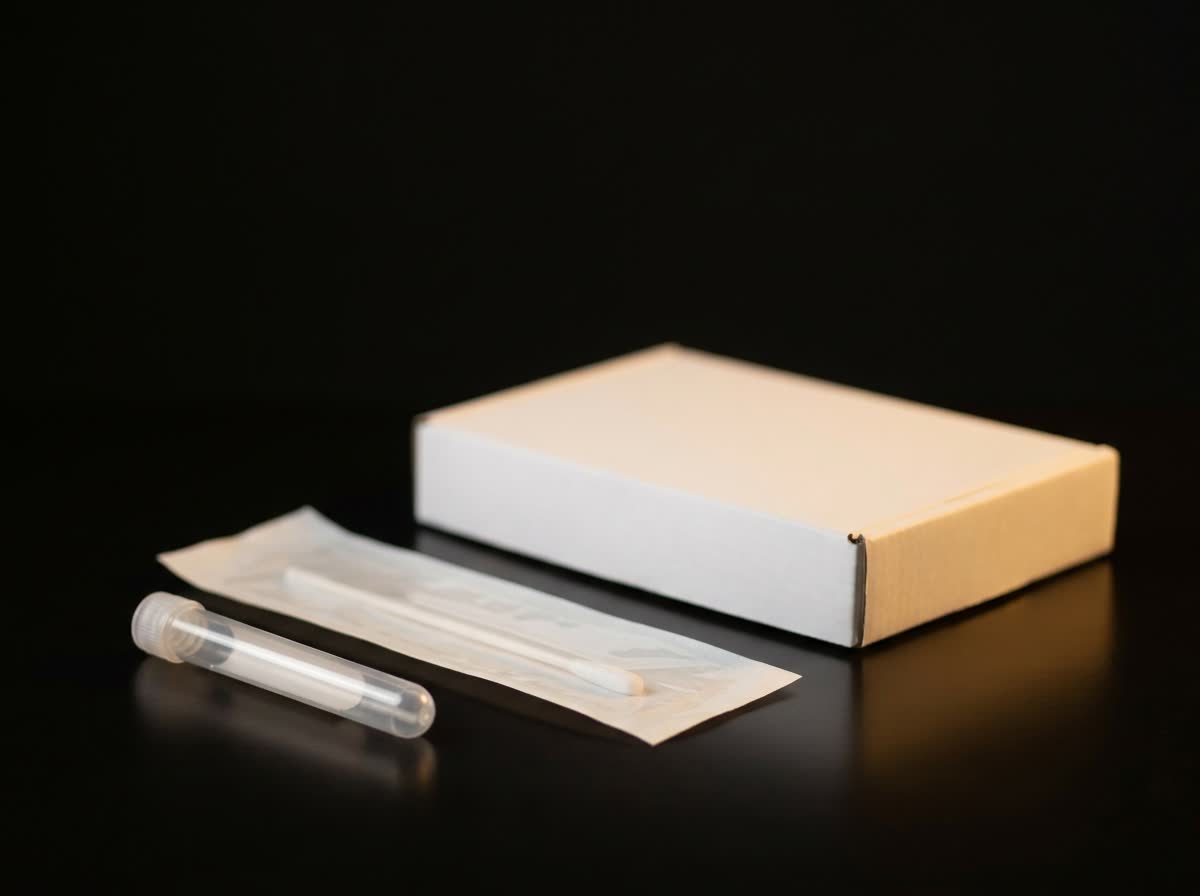
Note: LabX now runs a single 12-panel screen for all at-home and workplace testing — urine $89 or fingerstick blood $99. It covers everything described below, including fentanyl. The comparison here is kept because the older panels are still widely referenced elsewhere.
A drug-test result is only as strong as the process behind it — and the backbone of that process is the chain of custody. It is the documented, unbroken record of who handled a specimen, when, and how, from the moment of collection to the final report. Without it, even an accurate lab result can be challenged and thrown out. Here is what chain of custody is and why it matters to employers, clinics, and individuals alike.
What "chain of custody" means
Chain of custody is a legal and procedural safeguard establishing that a specimen was collected from the right person, was not tampered with, and was tracked through every transfer. In regulated testing it is anchored by a Custody and Control Form (CCF) that accompanies the specimen and records each handoff. For DOT programs, the requirements are set out in 49 CFR Part 40, and the federal forms and procedures are published by SAMHSA, with employer guidance from DOT ODAPC.
The steps of a proper chain of custody
- Identity verification at collection, so the specimen is unquestionably the donor's.
- Tamper-evident sealing of the specimen in the donor's presence, with the donor initialing the seal.
- Specimen-validity checks — temperature at collection, and later creatinine, specific gravity, and pH — to flag dilution, substitution, or adulteration.
- Documented transfers — every person who takes custody signs and dates the form.
- Secure storage and, when needed, a split specimen so a disputed result can be re-tested at a second lab.
Why it protects everyone
Chain of custody is not bureaucratic box-checking — it protects both sides. It protects the employer or clinic by making a positive result defensible if it is challenged in a grievance, arbitration, or lawsuit. It protects the donor by guaranteeing that a result cannot be the product of a mix-up or tampering. That fairness is why the same discipline underpins pre-employment testing and reasonable-suspicion testing.
How custody connects to accuracy
An intact chain of custody is necessary but not sufficient. It has to be paired with a specific, validated result — which is why presumptive positives are confirmed by LC-MS/MS (see lab-confirmed vs instant strips) and then verified by a Medical Review Officer (see the MRO's role). Custody proves the sample is genuine; confirmation and review prove the result is right and lawful.
Observed collections and integrity
Where tampering risk is high — return-to-duty, for-cause, or court-ordered testing — an observed collection further protects the chain. LabX's TeleTest observed option combines that integrity with convenience; read more in supervised 12-panel screening. Even at-home mail-in kits follow documented handling so the lab result remains trustworthy — see how at-home kits work.
What breaks a chain of custody
A chain of custody fails when any link cannot be accounted for. Common breaks include a specimen left unsealed or unattended, a form with a missing signature or an unexplained time gap, a temperature reading outside the acceptable range at collection, a mismatch between the label and the paperwork, or evidence of tampering. When a fatal flaw occurs, the result is typically cancelled rather than reported — which is exactly why the discipline exists: a cancelled test protects the donor from a wrongful positive and protects the employer from acting on an unreliable result. The federal procedures that define these safeguards are published by SAMHSA and, for transportation, in 49 CFR Part 40.
Split specimens and how disputes are resolved
Regulated collections use a split specimen: the sample is divided into a primary bottle (Bottle A) and a secondary bottle (Bottle B) at collection. If Bottle A is reported positive and the donor disputes it, they may request that Bottle B be tested at a different certified laboratory to confirm the drug is present. This gives donors a genuine, science-based avenue to challenge a result — and gives employers confidence that a confirmed positive can withstand scrutiny. Combined with LC-MS/MS confirmation and MRO review, the split-specimen system is why properly collected results hold up in grievances, arbitrations, and court. It is the difference between a result you hope is right and one you can prove.
Chain of custody FAQs
What is a Custody and Control Form?
It is the document that travels with a specimen and records every handoff, the collection details, and the donor's confirmation that the sample was sealed in their presence.
What happens if the chain is broken?
The result is usually cancelled rather than reported, protecting both the donor and the employer from an unreliable outcome.
Can I dispute a positive result?
Yes. In regulated testing you can request that the split specimen (Bottle B) be tested at a second certified lab.
Defensible results start with LabX
LabX Diagnostic Systems — CLIA-certified (#10D2067145), COLA-accredited, Tampa, Florida — builds documented chain of custody into every program, with LC-MS/MS confirmation for results that hold up. Results are reviewed by licensed and trained Medical Technologists. LabX does not currently offer Medical Review Officer (MRO) review. Set up defensible testing through employer drug testing or cash-pay clinic testing, browse the test menu, or order kits. Clients sign in to view results.
Talk to a licensed physician. Information on this page is general education, not medical advice or a diagnosis. Review any test result and any symptoms with a licensed physician, and seek emergency care if needed. See our medical disclaimer.