
Urine vs. Blood Drug Testing: Which Is Right for Your Practice?
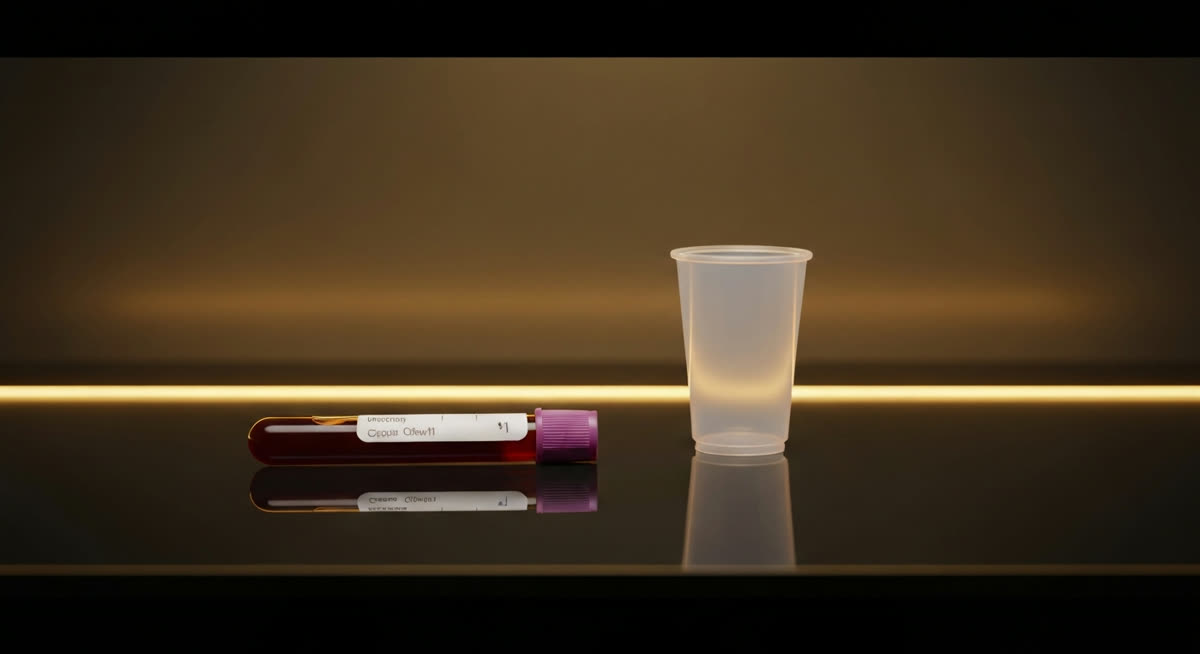
Two Matrices, Two Different Stories
Urine and blood are the two most common specimen types in toxicology, and each answers a slightly different clinical question. Choosing the right matrix — or combining them — can mean the difference between a clear result and an ambiguous one. This guide breaks down the practical trade-offs so your practice can order with confidence.
Urine Drug Testing: Strengths and Limits
Urine has long been the workhorse of drug testing, and for good reason: it's inexpensive, non-invasive, and offers a wide detection window for many drugs.
- Detection window: Many substances remain detectable in urine for days after use, making it useful for adherence monitoring and recent-use screening.
- Cost and throughput: Immunoassay urine screens are fast and economical for initial screening.
- Limitations: Urine reflects metabolized drug, not the moment of use, and is vulnerable to dilution, substitution, and adulteration. A directly observed collection is not always practical.
Blood Drug Testing: Strengths and Limits
Blood is widely regarded as the gold standard for accuracy because it reflects what is circulating in the body right now.
- Immediacy: Drugs appear in blood within minutes of use — before metabolism — which is critical for impairment questions and emerging adulterants like xylazine.
- Integrity: Blood is far harder to adulterate or substitute, especially with modern small-volume collection devices.
- Stability: Most analytes remain stable in small-volume blood specimens for at least 10 days at room temperature and 30 days refrigerated or frozen.
- Considerations: Traditionally more invasive, though finger-prick, small-volume collection has largely removed that barrier.
Side-by-Side: When to Use Which
- Recent-use screening / adherence: Urine is often sufficient and economical.
- Confirmation and quantitation: Definitive LC-MS/MS on either matrix; blood for the most defensible result.
- Impairment or very recent use: Blood, because it captures the active window.
- High adulteration risk: Blood, due to collection integrity.
- Emerging adulterants (e.g., xylazine, novel synthetics): Blood with definitive testing.
The Rise of Small-Volume Blood Testing
Small-volume blood collection has changed the calculus. A simple finger prick now delivers blood's accuracy and tamper resistance without a phlebotomist or a traditional venous draw — combining the convenience patients want with the reliability clinicians need.
Choosing a Lab Partner
Whatever matrix you choose, the laboratory matters. Look for a partner that offers both screening and definitive LC-MS/MS confirmation, supports medical-necessity documentation, and can guide you on the right specimen for each clinical scenario. At LabX Diagnostic Systems, we help practices design testing strategies that balance cost, accuracy, and turnaround.
The Bottom Line
Urine is convenient and cost-effective for screening; blood delivers immediacy, integrity, and reliability for confirmation and emerging threats. The best programs use each matrix where it shines — and lean on definitive testing whenever the answer truly matters.
Talk to a licensed physician. A drug test result is information, not a diagnosis or medical advice. Review your results, any medications you take and any symptoms with a licensed physician, and call 911 or go to an emergency department if someone is in danger. See our medical disclaimer.