
Why Your Lab Software Should Be the System You Operate FROM
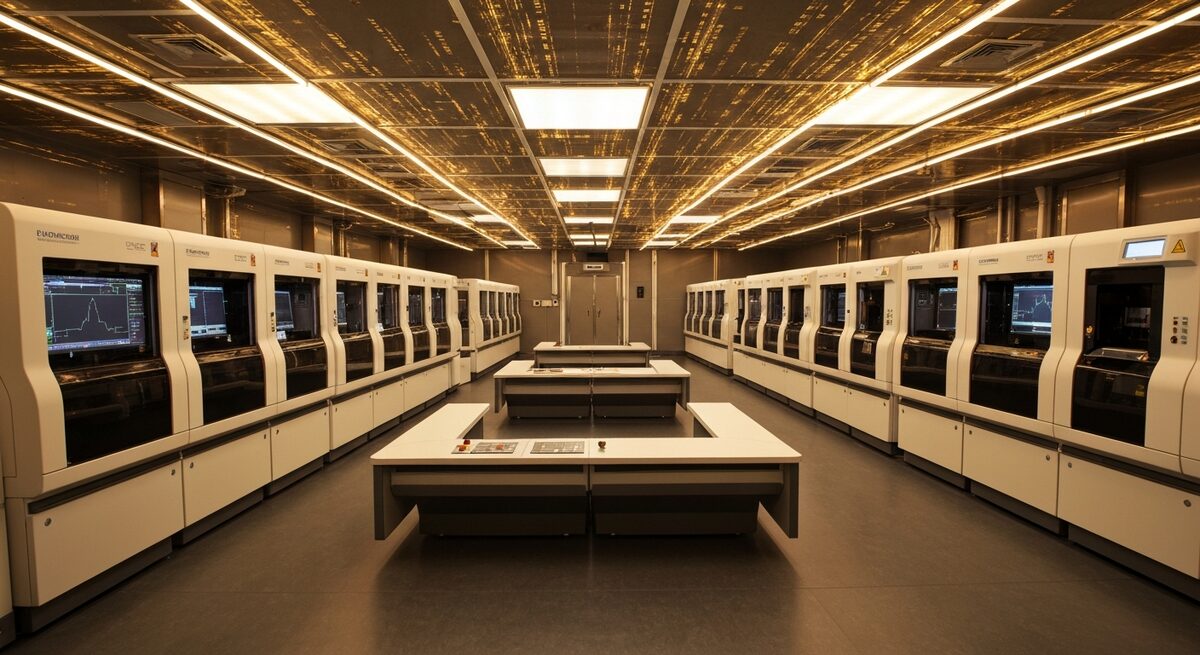
Walk into almost any independent lab and watch how the work actually moves. An order comes in through one system. Results live in the LIS. Billing happens in a separate tool that may or may not talk to the LIS. Compliance lives in a binder and three spreadsheets. Turnaround gets tracked in someone's head. And somewhere on a monitor, there are ten browser tabs open, because that's what it takes to answer a single question about a single sample.
That's not a software stack. That's a survival arrangement. And it's the single biggest reason otherwise capable labs leak revenue, blow turnaround targets, and treat compliance as a recurring emergency. The thesis of this piece is simple: your lab software shouldn't be another tab. It should be the system you operate from.
The patchwork tax
Every disconnected system in your lab charges a tax, and the tax is paid in the seams between them. The order that came in cleanly still has to be re-keyed into billing. The result that's final in the LIS doesn't automatically know whether the claim went out. The ICD-10 code that justifies medical necessity lives in one place while the CPT code that bills for it lives in another, and nobody reconciles them until a denial comes back weeks later.
Each seam is a place where information gets dropped, delayed, or duplicated. Multiply that across every sample, every day, and the patchwork tax becomes one of the largest line items in your operation — except it never appears as a line item, because it's diffused across denials, rework, overtime, and slow pay.
The cost of a fragmented stack doesn't show up on any invoice. It shows up as revenue you earned and never collected, results that came out accurate but late, and inspections you survive by scrambling. Invisible costs are the most dangerous kind, because nobody's assigned to cut them.
What "operate from" actually means
An operational system is not the same thing as a LIS with some bolt-ons. The distinction is whether the core functions of your lab share one truth or maintain separate, competing versions of it. In a system you operate from, ordering, resulting, billing, compliance, and analytics are connected — a fact entered once is known everywhere it's relevant.
Ordering and resulting as one flow
An order isn't a document that gets handed off. It's the beginning of a chain that runs through accessioning, testing, resulting, and billing without ever being re-entered. When the order carries the diagnosis, the specimen data, and the ordering provider through to the result and into the claim, the whole path gets faster and the transcription errors that generate denials mostly disappear.
Billing that's connected to the work
This is where the fragmented model bleeds the most. When your LIS and your billing don't share a source of truth, revenue leakage is structural, not accidental. A result goes final and no claim follows. A test runs without a covering diagnosis and nobody catches it until the denial. An underpayment against the contracted rate goes unreconciled because the two systems can't be compared. We've documented where this money hides in our deep dive on laboratory billing revenue leakage — and nearly every leak traces back to a seam between systems that should have been one system.
Compliance as a continuous byproduct
When QC, proficiency testing, personnel records, and turnaround metrics are captured by the same system that runs the work, compliance stops being a separate project. Your QC is logged because you ran the control. Your turnaround data exists because the system watched the clock. Your documentation is current because it's a byproduct of operating, not a task someone has to remember. That's the difference between an inspection you dread and an inspection that's just a report you export.
Analytics you can actually act on
You cannot manage what you can't see across your whole operation. When the data lives in five systems, every real question — which payers pay slowest, which tests carry the most denials, where turnaround drifts — requires a manual reconciliation that's too expensive to do routinely. When it lives in one, those questions are dashboards. Visibility is what turns a lab from reactive to deliberate.
Integration is a revenue strategy, not an IT preference
It's tempting to file "system integration" under IT housekeeping — nice to have, not urgent. That framing costs labs real money. Integration is a revenue strategy, because the three things that most determine an independent lab's survival all improve when the systems connect.
- Revenue capture improves because claims follow results automatically, diagnoses carry through to billing, and underpayments become visible instead of silent.
- Turnaround improves because samples don't wait in the gaps between disconnected steps, and re-keying delays vanish.
- Compliance risk drops because the documentation that proves quality is generated continuously instead of assembled under pressure.
Every one of those is a line-item on your survival, and every one of them is degraded by the seams in a patchwork stack. This is the same argument we make about running a lab like the business it is rather than a collection of workflows — a theme we develop in our piece on the business of the modern laboratory. The modern lab competes on operational excellence, and you cannot be operationally excellent on a foundation that can't see itself.
The system labs operate from
This is the worldview behind CompendiumMD, and it's worth stating plainly because it's a genuine departure from how lab software is usually sold. Most vendors want to be a tool in your lab. The better goal is to be the system your lab runs on — the place where an order becomes a result becomes a clean claim becomes a compliance record becomes a data point you can actually manage against.
That's not about having more features than the next LIS. It's about eliminating the seams. When ordering, results, billing, compliance, and analytics share one truth, the invisible taxes of the patchwork model — the leaked revenue, the blown turnaround, the compliance fire drills — stop being permanent conditions and start being solvable problems. A lab that operates from one system spends its energy running the lab. A lab that operates across ten tabs spends its energy reconciling them.
Key takeaways
- A patchwork stack charges an invisible tax paid in the seams between systems — leaked revenue, slow turnaround, and compliance scrambles that never appear as a line item.
- "Operate from" means one source of truth. A fact entered once — the order, the diagnosis, the result — is known everywhere it matters.
- Billing leakage is structural in a fragmented stack, because the LIS and billing maintain competing versions of the truth.
- Compliance becomes continuous when QC, PT, and turnaround are captured by the same system that runs the work.
- Integration is a revenue strategy, not IT housekeeping. Capture, turnaround, and compliance risk all improve when the seams disappear.
If answering a basic question about one sample takes ten tabs and two logins, that's not a training problem — it's an architecture problem, and it's quietly capping what your lab can earn and how fast it can move. The labs that win the next decade will be the ones that stopped duct-taping tools together and started operating from a single system. If that's a shift you're ready to think seriously about, we'd welcome the conversation — and we'd start by showing you where your current seams are costing you.